PDPA for Clinics: The 72-Hour Breach Notice and What Your Software Must Let You Prove
Since 1 June 2025 a Malaysian clinic that has reason to believe patient data has been breached must tell the Personal Data Protection Commissioner, and the Commissioner's guideline sets the limit at 72 hours. The duty stays with the clinic even when a software supplier caused the breach, and afterwards the clinic has to show who opened which record and when.
Yes. Under section 12B of the Personal Data Protection Act 2010, in force since 1 June 2025, a clinic that has reason to believe a personal data breach has occurred must notify the Personal Data Protection Commissioner as soon as practicable. The Commissioner's guideline sets the limit at no later than 72 hours, and its own example treats unauthorised access to patients' medical records as notifiable whatever the number of patients.
What counts as a breach you must report?
The Act, as amended, defines a personal data breach as “any breach of personal data, loss of personal data, misuse of personal data or unauthorized access of personal data”. That is wide.
Not every breach has to go to the Commissioner. The guideline (paragraph 5.2) says you must notify only if the breach causes or is likely to cause “significant harm”, which it describes as a risk that the data:
- may result in physical harm, financial loss, damage to a credit record or damage to property
- may be misused for illegal purposes
- consists of sensitive personal data
- could, combined with other information, enable identity fraud
- is of significant scale, meaning more than 1,000 affected people
For a clinic the third line decides most cases. The guideline's own examples say that an unauthorised third party reaching patients' medical records is notifiable regardless of whether more than 1,000 people are affected, and so are medical records made temporarily inaccessible by a cyberattack. Losing a decryption key, so that the controller can no longer read its own data, is also listed as a breach (paragraph 4.2).
Patients are a separate step. If the breach is likely to cause them significant harm, each must be told individually within 7 days after you notify the Commissioner (paragraph 9.1). The 1,000-person test does not apply here. One of the guideline's examples says patients need not be told when the stolen data was protected so that it is “unintelligible or meaningless” to the thief, but the Commissioner must still be told.
How long do you have, and when does the clock start?
The Act says “as soon as practicable”. The 72 hours comes from the Commissioner's guideline (paragraph 6.1): the notification “shall be made as soon as practicable and no later than seventy-two (72) hours from the occurrence of the personal data breach”.
The worked examples in paragraph 6.2 start the clock when you find out. For a lost USB key it starts when you are told it is lost, and for ransomware when you realise you have lost access. Because paragraph 6.1 says “from the occurrence”, do not rely on the most generous reading: write down when you learned of it and move the same day.
- If you do not yet know everything, send what you have. The rest may follow in phases, no later than 30 days after the first notice (paragraph 7.5).
- If you miss the 72 hours, send a written notice giving the reasons and the evidence for them (paragraph 7.7).
- Use the online form on pdp.gov.my, or the Annex B form by email to [email protected], or on paper. It counts as submitted only once the Commissioner sends a confirmation notice (paragraphs 7.1 and 7.3).
- Failing to notify is an offence under section 12B(3): a fine up to RM250,000, or up to two years in prison, or both.
On timing: Gazette notice P.U. (B) 522 put sections 6 and 9 of the amending Act, which include the new sections 12A and 12B, into operation on 1 June 2025.
Who is responsible when the software supplier caused it?
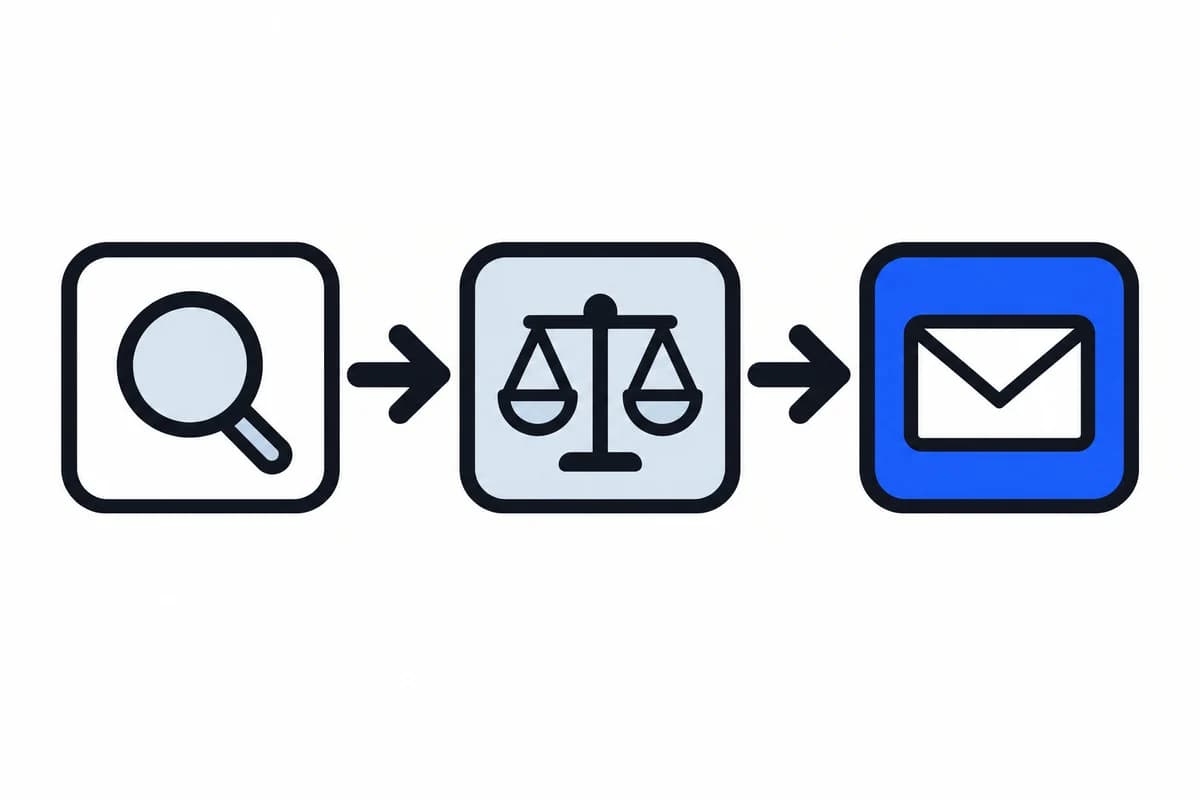
The clinic. The clinic is the data controller and the supplier whose software stores the data is the data processor. The guideline is direct on how the duty splits: section 12B “does not directly apply to data processor” (paragraph 12.1), and the controller must put an obligation in its contract with the processor to tell it promptly about a breach and to help it meet the notification duty (paragraph 12.2).
The supplier is not off the hook. Since 1 April 2025 a processor must itself comply with the Security Principle in section 9, and the maximum penalty under section 5(2) for breaching the data protection principles, the Security Principle included, was raised to a fine of RM1,000,000 or three years in prison. But when the supplier is breached, the notice to the Commissioner is still the clinic's to file. The clock starts when the supplier tells you, or when you have clear evidence, whichever is earlier (paragraph 6.2(v)).
So ask your supplier two things in writing before anything happens: how fast will you tell us, and what will you give us to work out which patients are affected.
What does a breach look like inside a clinic?
Most are not hackers. The guideline's own examples are mostly ordinary mistakes, and each has a counterpart in a clinic:
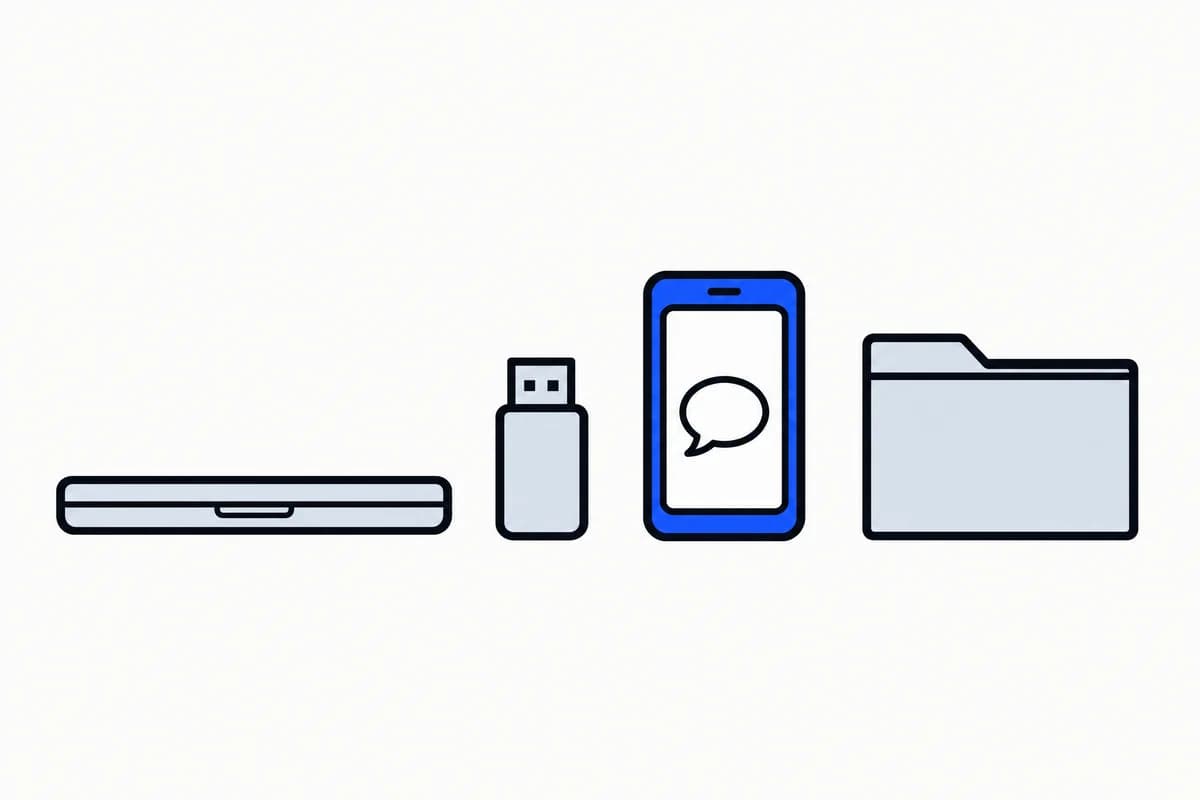
- A lost or stolen laptop, or a USB drive with patient files or a backup on it.
- A former staff member whose account was never switched off, still able to open patient records from home or from a computer left signed in at the counter.
- A misdirected message: a lab result, a medical certificate or an appointment reminder sent to the wrong person.
- Ransomware that locks the records. Loss of availability counts as a breach, even if nobody read a single file.
In every one of these, the first three questions are the same: which patients, which records, and since when. If you cannot answer them, you cannot decide whether the breach is notifiable and you cannot tell patients what was exposed.
What records must you be able to produce afterwards?
Two kinds. The first is the breach register. Paragraph 14.1 of the guideline requires a controller to keep a register of breaches for at least two years from the date of notification, and to include breaches that did not meet the threshold for notifying anyone. It records what happened and when you became aware, the root cause, the data and the number of people affected, a chronology, how you contained it, and what you told the Commissioner and patients, or why you told nobody. The Commissioner can direct you to produce it (paragraph 14.3). The circular counts the two years from the date of the breach rather than the date of notification, so keep it for the longer of the two.
The second is evidence about access, which your software either holds or does not. A patient who complains, or an investigator, will ask questions like these:
| The question | What has to exist to answer it |
|---|---|
| Who opened this patient's record, and when? | A log of views, filed against the patient. Opening a record changes nothing, so a log of edits alone cannot answer this. |
| What did this member of staff open? | The same log, searched by user. |
| From which computer? | The workstation recorded with each entry. |
| Who still had access, and when did it end? | Dated account changes: when each account was created, changed and deactivated. |
| How many patients are affected? | A count you can build from the rows above, because the form asks for it. |
| When did you become aware? | Your own dated note. No software knows this, so write it down at once. |
The log must also be trustworthy: if an administrator can edit it, it proves nothing.
Does a small clinic need a Data Protection Officer?
Section 12A(1) says a data controller shall appoint one or more data protection officers (DPOs). The Commissioner's circular on the appointment of a DPO sets when this is mandatory: where processing involves personal data of more than 20,000 data subjects, or sensitive personal data including financial information of more than 10,000 data subjects, or activities that need regular and systematic monitoring.
Patient records are sensitive personal data, so the 10,000 line is the one to count against, and it is about the people whose data you hold, not the people you saw this year. A DPO may be an existing employee or an outsourced service, and is registered with the Commissioner within 21 days. If you are not required to appoint one, the guideline still asks you to name a representative with enough seniority to be the Commissioner's point of contact after a breach (paragraph 7.8).
Where Klinira fits
Klinira records every time a patient's record is opened, not only when it is changed, and its audit report can be filtered by patient, by staff member or by workstation. Nobody can edit or delete the log, and running the report is itself logged. The database on the clinic's computer is encrypted, each role sees only what its permissions allow, screens lock after 10 minutes of inactivity by default, and deactivating a staff account ends its open sessions at once.
Klinira does not send anything to the Commissioner, does not keep your breach register and does not appoint a Data Protection Officer for you. It also cannot see paper, a photograph of a screen or a message someone typed into another app. Those stay with the clinic's own procedure. Start the 14-day trial from the Microsoft Store and try the audit report before you need it.
This post explains the rules in general and is not legal advice. Confirm your own position with the Personal Data Protection Department or an adviser.
What Klinira does not do
Stated here rather than discovered after you have paid.
- This post does not say that any software prevents a breach or makes a clinic compliant. Compliance stays with the clinic.
- Not confirmed: how the Commissioner counts data subjects for the 10,000 threshold, and whether a clinic's activities count as regular and systematic monitoring. Both are for the Commissioner or an adviser to answer.
- The Commissioner's website lists the breach circular as No. 1/2025 and the DPO circular as No. 2/2025, while the printed PDFs carry the opposite numbers, and the DPO circular was read in its Malay text. They are cited here by title.
- Other duties that can apply alongside the PDPA, such as reporting a crime to the police, are only touched on in the guideline and not covered here.
Common questions
Is the 72-hour limit written in the Act?
No. Section 12B(1) says “as soon as practicable”. The 72 hours is in the Commissioner's Data Breach Notification Guideline (paragraph 6.1) and the matching circular.
Do we have to tell patients as well as the Commissioner?
Yes, if the breach causes or is likely to cause significant harm to them. Each patient is told individually within 7 days after the Commissioner is notified (guideline paragraph 9.1).
How long must a clinic keep its breach records?
At least two years, including breaches that did not have to be reported. The guideline counts from the date of notification and the circular from the date of the breach, so keep them for the longer period.
If our software supplier is hacked, who reports it?
The clinic, as data controller. Section 12B does not apply directly to a processor, but the controller must require it by contract to report promptly and to help (guideline paragraphs 12.1 and 12.2).
Try it at your own counter first
Klinira is on the Microsoft Store. Install it on the clinic's main computer, press Start the free trial, and you have every module for 14 days. No card. If you would rather we show you first, leave your number.