SST for Private Clinics in Malaysia: Who Charges 6%, Who Doesn't, and What the Invoice Must Show
Since 1 July 2025, private healthcare in Malaysia carries 6% service tax when the patient is not a Malaysian citizen. A clinic only has to charge it once it is a registered person, which the Customs guide ties to RM1.5 million of healthcare services in twelve months, and the doctor's consultation fee stays exempt only if the invoice shows it on its own line.
From 1 July 2025, private healthcare services supplied to people who are not Malaysian citizens are taxed at 6% under the Service Tax Act 2018. Services to Malaysian citizens are exempt from paying the tax. A clinic must register and charge the tax once it reaches RM1,500,000 of healthcare services in twelve months, and the Customs guide counts services to citizens and non-citizens together. The doctor's consultation fee is exempt, but the condition is that it is shown separately from the other charges on the same invoice.

Who has to charge 6% at a private clinic?
Two tests have to be met together. The patient must be a non-citizen, and the clinic must be a registered person under the Service Tax Act 2018. The Customs guide defines a non-citizen as anyone who is not a Malaysian citizen, and lists the documents that mark one: a foreign passport or visa, a MyPR permanent resident card, a MyKAS temporary resident card, or a non-citizen birth certificate. A citizen is someone whose identity card or birth certificate from the National Registration Department says so.
The scope is wide on the clinic side. The guide lists private medical clinics and private dental clinics licensed under the Private Healthcare Facilities and Services Act 1998 (Act 586), and it taxes medicines, procedures, tests and the clinic's other healthcare services, not only the doctor's time. Customs also says no category of non-citizen is exempt, and services to a non-citizen who is outside Malaysia are not taxed. Tax falls due when payment is received, not when the invoice is printed.
What counts toward the RM1.5 million threshold?
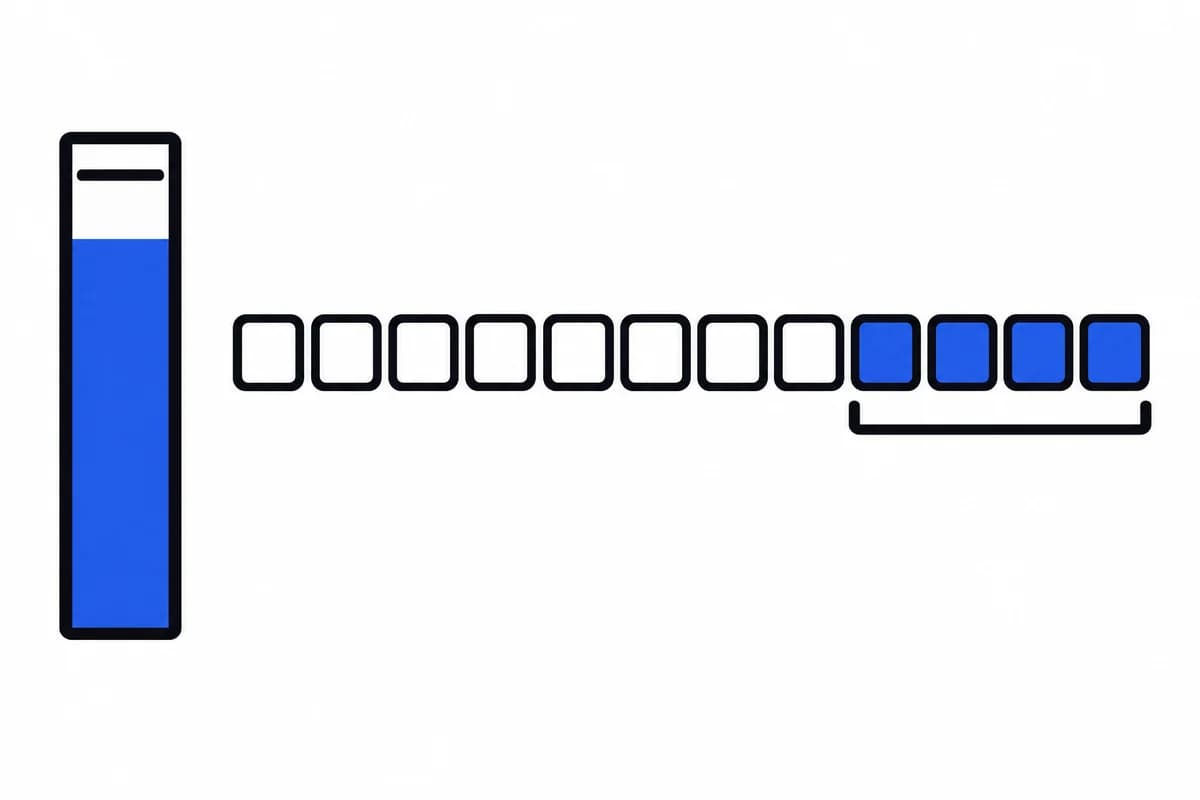
This is the part clinics most often get wrong. Paragraphs 13 and 15 of the Customs guide say the threshold is the actual value of all healthcare services supplied to citizens and non-citizens, and that it is RM1,500,000 over twelve months. A clinic whose patients are 95% Malaysian can still be over the line, and then it has to register and charge 6% on the non-citizen patients it does have.
A clinic under the threshold does not charge the tax at all. Doctors who work in a clinic on a permanent or contract appointment are not themselves liable to register (paragraph 12). Once registered, the clinic files an SST-02 return electronically and keeps its service tax records for seven years (paragraph 63). Services to citizens are still reported on that return as exempt value. Ask your accountant how soon after crossing the line you must apply, because we did not find a healthcare-specific deadline in the guide.
Why must the consultation sit on its own line?
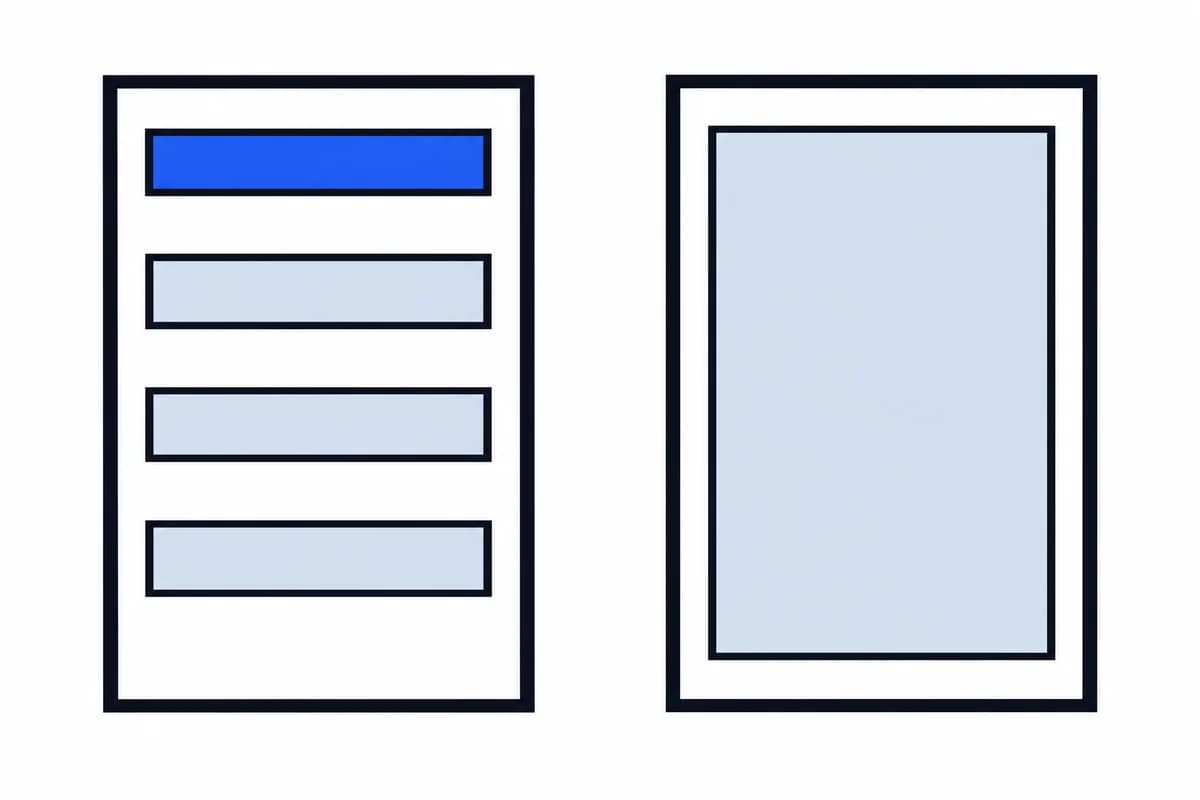
Paragraph 60 of the March 2026 guide says a consultation fee charged by a doctor is exempt from service tax under section 34(3)(a) and 34(4) of the Act, on the condition that the fee is separated from the other charges on the same invoice. The exemption belongs to the invoice layout. A single line called “visit charge” that folds the consultation in with the injection and the medicine is not a separated fee.
Customs gives its own example (Q&A 12). A non-citizen is billed RM10 administration, RM60 X-ray, RM30 laboratory, RM200 doctor's consultation and RM100 medicines, RM400 in all. The RM200 consultation is exempt. The other RM200 is taxed at 6%, which is RM12.
How does a discount change the tax?
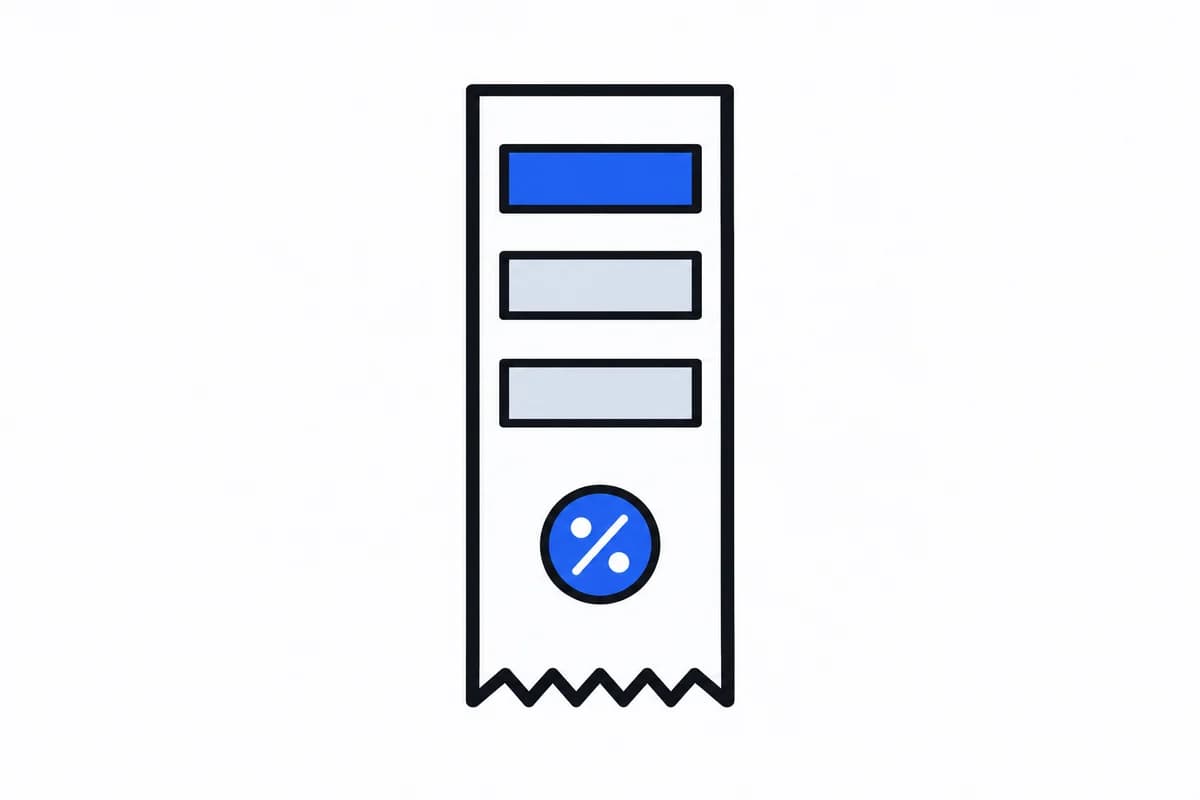
Q&A 36 and 37 in the guide deal with discounts. A discount that is given to non-citizen patients generally, and is available fairly to all patients, reduces the value the tax is charged on: Customs works a RM200 mammogram with a RM50 voucher as tax on RM150, which is RM9. A discount that is only for connected persons, such as staff, their families and doctors on contract, does not reduce it. Tax is charged on the gross RM200 in that case, which is RM12.
So the discount has to be taken off before the tax is worked out, not after. Taking it off the total at the end leaves the patient taxed on money the clinic never collected. The guide does not say how a bill-level discount should be spread between an exempt consultation line and the taxable lines. Spreading it in proportion to each line is the plain approach, and a clinic with an unusual case should confirm it with Customs.
What should the invoice show?
- The consultation as its own line, with its own amount, never inside a package or a visit charge.
- Whether the patient is treated as a citizen or a non-citizen, so the reason for the tax, or the lack of it, can be read from the invoice later.
- The taxable subtotal, the service tax at 6% and the total, if your clinic is registered.
- Discounts already applied to the lines the tax was worked on.
A package that includes a consultation is the awkward case. It has to be split so the consultation component appears on its own. If the package has no separate prices for its contents there is no honest basis for the split, so the safe reading is that the whole package line is taxed.
A worked example with simple numbers
A registered clinic sees a visit that costs RM100: consultation RM50, medicine RM30, a dressing RM20. Same visit, four situations.
| Situation | Taxable amount | Tax at 6% | Patient pays |
|---|---|---|---|
| Malaysian citizen | RM0.00 | RM0.00 | RM100.00 |
| Non-citizen, consultation on its own line | RM50.00 | RM3.00 | RM103.00 |
| Non-citizen, everything on one “visit” line | RM100.00 | RM6.00 | RM106.00 |
| Non-citizen, own line, RM10 discount spread across the lines | RM45.00 | RM2.70 | RM92.70 |
In the last row the RM10 discount comes off each line in proportion: consultation RM45, medicine RM27, dressing RM18. Only the medicine and dressing, RM45 together, are taxed. The third row shows what the layout alone costs: the same visit, RM3.00 more tax, because the consultation was not separated.
Where the sources disagree
Read the dates. Version 2 of the Customs guide, published on 1 July 2025, lists any consultation fee by a doctor as a taxable service, and so does the Customs FAQ page on the 2025 expansion of scope. The Version 3 guide of 1 March 2026 says the consultation fee is exempt when shown separately. Accounting firms' notes put the policy change at 23 October 2025, but we did not find the policy document itself. The later guide is the one this post follows. Customs updates these documents, so confirm the current wording with Customs or your accountant before you change how your clinic invoices.
This post explains the rules in general and is not tax advice. Your clinic's position depends on its own facts, so confirm it with the Royal Malaysian Customs Department or your accountant.
The Service Tax Act 2018 (Act 807), sections 9 and 34, is the Act the guide relies on. It is cited here by name because the Attorney General's Chambers copy did not open when we tried it.
Where Klinira fits
Klinira records each patient's citizenship and stores the status that was used on every bill, so an old bill never changes when a patient's status does. The consultation is always its own line, a package that contains one is split in proportion to the list prices of its contents, and a package with no list prices stays one taxed line with a warning. A bill-level discount is spread across the lines before the tax is worked out. The 6% rate and the threshold sit in dated rule sets rather than in the billing code, and a clinic that has not recorded itself as registered is charged no tax.
Klinira's rolling turnover figure adds up everything the clinic has billed in the last twelve months, citizens and non-citizens together, after discounts and before tax, whether or not tax was charged. That is how the Customs guide measures the RM1.5 million line, and Klinira warns the owner on the status bar as the figure nears the threshold. Your accountant should still confirm the official figure.
Klinira does not file SST-02 returns and does not give tax advice. It does not do e-Invoice. It helps you lay out the invoice correctly, and whether your clinic is registered and what it owes remains your decision. You can try it for yourself: start the 14-day trial from the Microsoft Store.
What Klinira does not do
Stated here rather than discovered after you have paid.
- This post does not claim Klinira files service tax returns, works out your official registration threshold, or replaces an accountant.
- The March 2026 Customs guide was read in Malay, and the consultation exemption date of 23 October 2025 comes from accounting firms' notes, not from the policy document.
Common questions
Does a Malaysian patient pay service tax at a private clinic?
No. Services to Malaysian citizens are exempt from the payment of service tax under the 2025 exemption order, and the Customs guide says so. Those services still count toward the RM1.5 million registration threshold, because the guide measures citizens and non-citizens together.
Is the doctor's consultation fee taxed for a foreigner?
Under the Customs guide of 1 March 2026 it is exempt, on the condition that the fee is shown separately from the other charges on the same invoice. Medicines, tests, procedures and other charges on that invoice are taxed at 6%. Earlier documents listed the consultation as taxable, so confirm the current wording with Customs.
When must a clinic register for SST?
When the value of its healthcare services, to citizens and non-citizens together, reaches RM1,500,000 in a twelve-month period, according to paragraphs 13 and 15 of the Customs guide. Registration is done online through MySST. Ask your accountant about the timing after you cross the line.
Does a discount reduce the service tax?
A discount offered to non-citizen patients generally reduces the value that is taxed. A discount only for connected persons, such as staff and their families, does not. Customs sets this out in Q&A 36 and 37 of its guide.
Try it at your own counter first
Klinira is on the Microsoft Store. Install it on the clinic's main computer, press Start the free trial, and you have every module for 14 days. No card. If you would rather we show you first, leave your number.